
PV column
Photovoltaic
2026/10/15
Solar module efficiency standard in China
In late June 2026, Chinese authorities announced three “standards” related to the Photovoltaic industry. All three standards were published on June 27, 2026, and will come into effect on January 1, 2027. A brief summary of these three standards is provided below.
**********
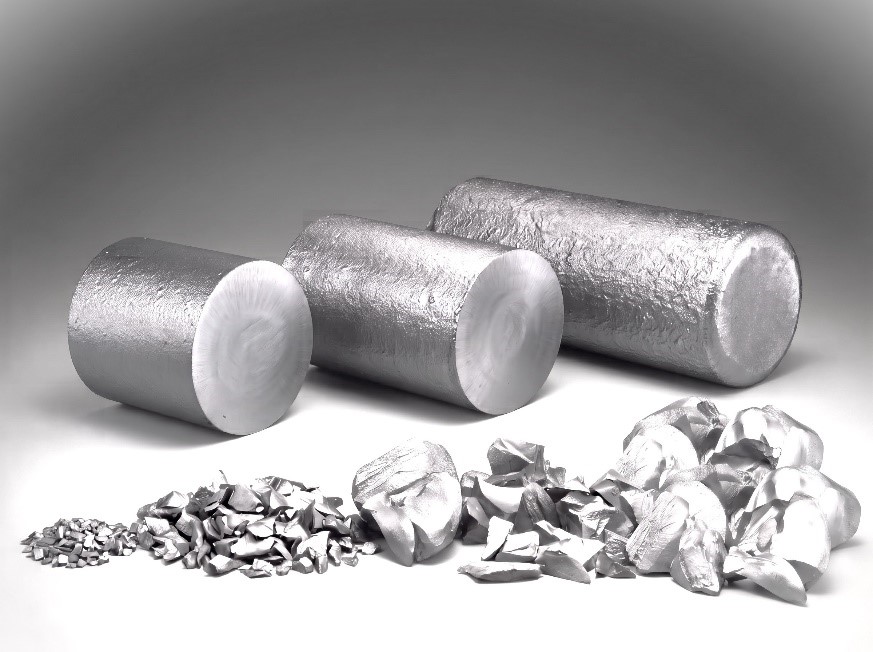
1. GB 29447-2026: Norm of energy consumption per unit products of polysilicon and germanium
(overview)
This standard specifies the energy consumption limits per unit product for polysilicon and germanium, as well as technical requirements, statistical scopes, and calculation methods.
This standard applies to companies that produce photovoltaic polysilicon using the trichlorosilane process or the silane fluidized bed process, and to companies that handle germanium.
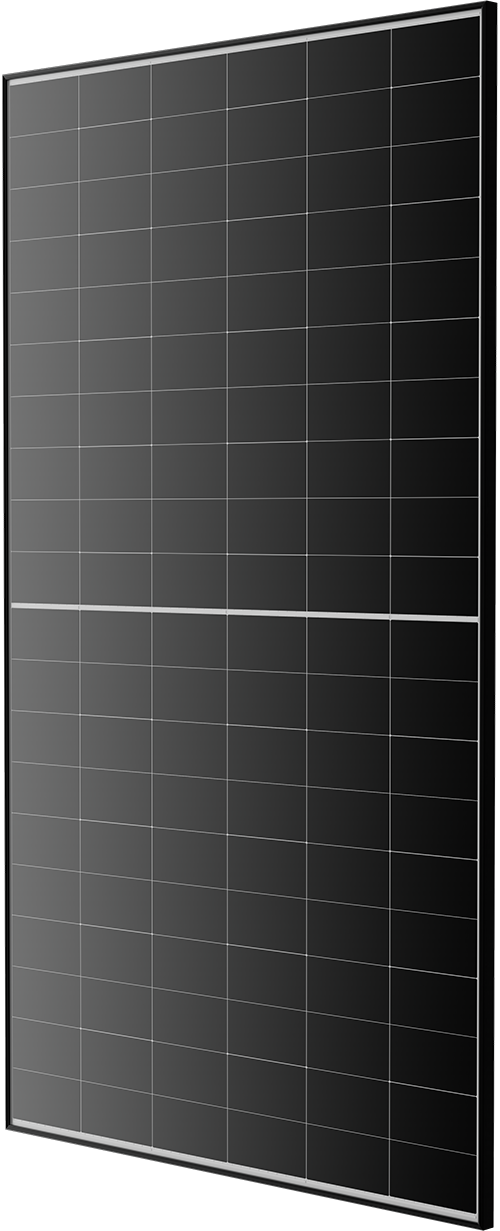
2. GB 47834-2026: Minimum allowable values of energy efficiency and energy efficiency grades for crystalline silicon photovoltaic modules and inverters
(overview)
This standard specifies the energy efficiency ratings, energy efficiency limits, testing, and calculation methods for crystalline silicon photovoltaic modules and grid-connected photovoltaic inverters.
This standard applies to ground-mounted n-type crystalline silicon photovoltaic modules and grid-connected photovoltaic inverters, including centralized photovoltaic inverters.
The photovoltaic grid-connected inverter portion of the photovoltaic grid-connected inverter, string photovoltaic grid-connected inverter, and pre-installed photovoltaic inverter integrated machine.
This standard does not apply to the following:
- Building Integrated Photovoltaic (BIPV) Modules
- Consumer grade photovoltaic modules
- Perovskite/crystalline silicon tandem photovoltaic module
- Photovoltaic modules that use silver-free metal paste or silver-free processes for the photovoltaic cell grid lines
- Grid-connected photovoltaic inverter
- Grid-connected photovoltaic inverters for 20kW or below, and string-type grid-connected photovoltaic inverters for 500kW or above.
Note 1. The definition of BIPV is specified in IEC 63092-1.2020.
Note 2. The definition of consumer solar photovoltaic modules is specified in IEC TS63163.2021.
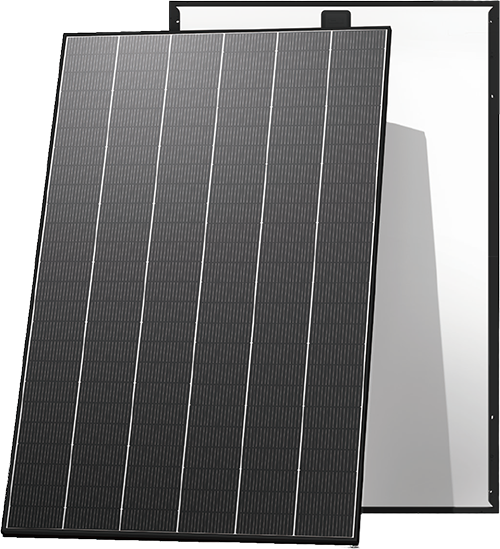
3. GB 47835-2026: Norm of energy consumption per unit products of monocrystalline silicon
(overview)
The limit levels and related technical requirements for the energy consumption (hereinafter referred to as “energy consumption”) of a unit product of silicon monocrystalline and silicon monocrystalline wafers used in solar cells. Technical requirements, statistical range, conversion factor, and calculation method are also described. This standard applies to companies that manufacture silicon monocrystalline (silicon ingots) and silicon wafers for solar cells using the Czochralski method, for the calculation and analysis of energy consumption.
**********
Regarding the conversion efficiency of “crystalline silicon photovoltaic modules”—specifically as stipulated in the standard, GB 47834-2026—this requirement applies to the power output and model types produced by various manufacturers; therefore, it must be taken into account when selecting modules during the current design phase of PV facilities.
(Key points)
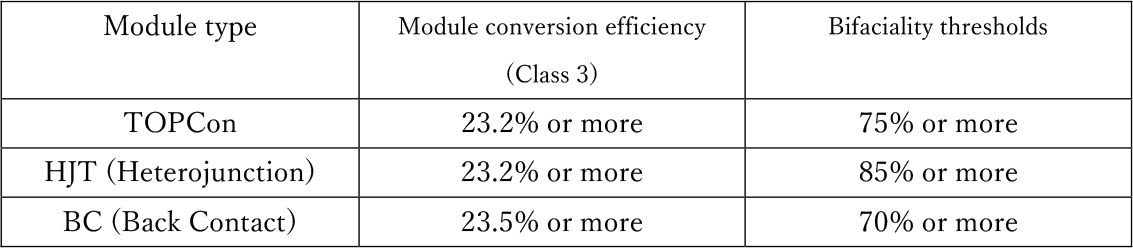
(Reference table: Module size and conversion efficiency/output)
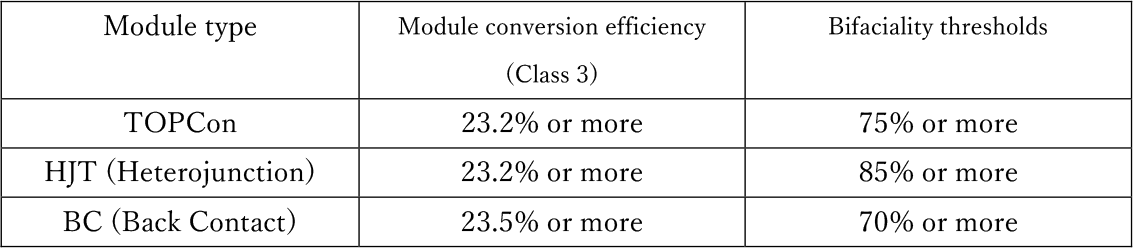
If you’re using the latest models currently produced by the four major manufacturers (Trina Solar, LONGi Solar, Jinko Solar, and JA Solar), the output will be similar to that of commonly available panels, so there shouldn’t be any major problems. However, PV plants designed with older module models that haven’t yet placed orders for those modules may be affected by these new regulations.
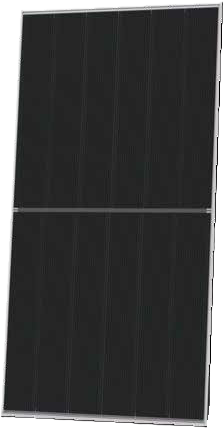
While the availability of higher-performance panels offers advantages, these panels also have higher output voltages and currents due to their higher power output. In the case of bifacial panels, the current is even higher, so please note that the number of compatible photovoltaic inverter will be limited.
Note: For details on each standard, the status of each manufacturer, specification, etc., please contact the standards authority, manufacturers, or suppliers.